Attention You Can Fight For: Why Bidriot Turns Audiences Into Supporters
Views, likes and followers prove someone looked. Bidriot is built for what comes next: a live arena where projects challenge rivals and supporters get in the fight.

For twenty years the internet has taught us how to capture attention. Every startup, creator, product and brand is fighting over the same scarce resource.
But what if attention wasn't just something you captured? What if it was something you could compete for — in public, round after round, with your people behind you?
That's the idea behind Bidriot. Instead of audiences watching projects fight for attention from the stands, Bidriot hands them a way into the Riot.
Watch · Back · Share · Bid · Rally · Win
The attention economy has a problem
We've become very good at measuring attention: views, likes, followers, impressions, engagement. Every number says someone looked. But looking isn't caring, and caring isn't participating.
- A creator can pull millions of views and still struggle to turn them into action.
- A startup can launch to thousands and vanish from feeds a week later.
- A brand can outspend everyone and still give its audience no reason to come back.
The problem isn't a lack of attention. It's what happens after you get it.
Attention needs somewhere to go
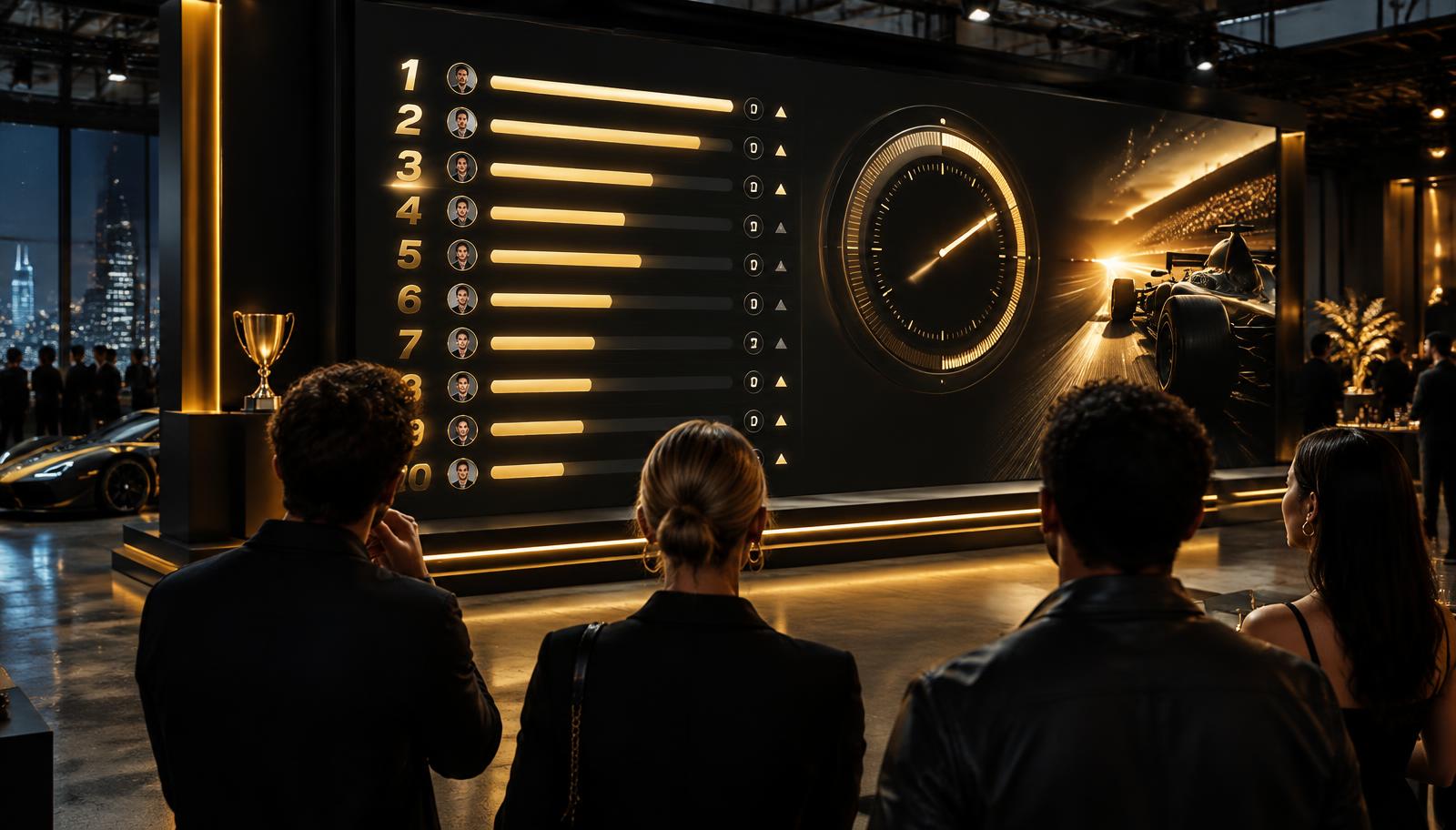
Picture two projects on the Bidriot leaderboard fighting for the same #1 spot. Normally the audience likes a post, maybe shares it, then scrolls on.
Now give them a side. Give them a Rally Squad to join. Give them a way to move the board with a verified bid. Suddenly there's a reason to stay, a reason to return, and a reason to drag a friend into the fight.
Attention becomes participation — and participation creates something worth more than a view: investment.
Competition writes the story for you
Who's leading? Who's closing in? Who just got called out? Who takes the spot before the 12-hour round closes — and who defends it? These aren't marketing questions. They're the questions that make people follow sports, esports and creator rivalries.
Every Bidriot round has a beginning, tension, sides, supporters and an outcome. Whale bids, buzzer snipes and new #1s land on the live drama ticker the moment they happen. People don't just watch the game. They pick a side.
From audience to supporters
An audience consumes. Supporters participate. An audience watches you compete; supporters want you to win. That's the shift Bidriot is built to unlock.
- Not “Look at my project” — but “Back my project.”
- Not “Here's what we're building” — but “We're in a Riot. Get in.”
The crowd becomes part of the game
In traditional marketing the brand does the work and the audience watches. On Bidriot the line disappears: a project issues a Challenge Anyone callout, the rival defends or claims their side, supporters rally, bids move the board, and the story plays out live.
A football club isn't powerful because eleven players stand on a pitch. It's powerful because millions feel connected to what happens there — they celebrate, argue, recruit friends and come back next week. Bidriot brings that energy to the internet's projects.
The goal isn't more followers
A follower sees your post; a fan sends it to someone. A follower watches your Riot; a fan wants you to win. The future of online communities won't be about the biggest audience — it'll be about the strongest reason for that audience to care.
Why the $1 isn't the story
Bidriot uses a simple verified bid to make participation tangible — a single dollar can move you up the board. But the dollar isn't the point. The shift is:
- Watching → supporting
- Supporting → bidding
- Bidding → rallying others
That's how a crowd becomes a community — and a community becomes a fandom.
The Bidriot loop
- Create — drop your URL or handle into the arena.
- Challenge — call out any rival with Challenge Anyone.
- Rally — share your rally link and build a squad.
- Bid — verified bids move the live leaderboard.
- Compete — every rank change is public and shareable.
- Win — hold #1 when the 12-hour round closes. Then do it again.
The arena is open
The internet is full of things worth fighting over — brands, startups, creators, products, ideas and communities. What was missing was a place where the competition is visible, and a way for the people watching to get involved.
Not another feed. Not another follower counter. An arena — where projects challenge, supporters rally, and attention becomes something you can actually fight for.
Challenge anyone. Rally your people. Get in the Riot.